Every leader has team members who shine and some who struggle. It’s easy to give praise, attention, and respect to top performers. But true leadership shows up in how you treat everyone, regardless of title, status, or success.
When respect is conditional, trust starts to break. People begin to wonder if their value depends on their last win. They become more cautious, less engaged, and more focused on staying safe than taking risks. But when respect is consistent, people feel safe enough to show up fully, make mistakes, and keep growing.
(more…)by Michelle Cummings
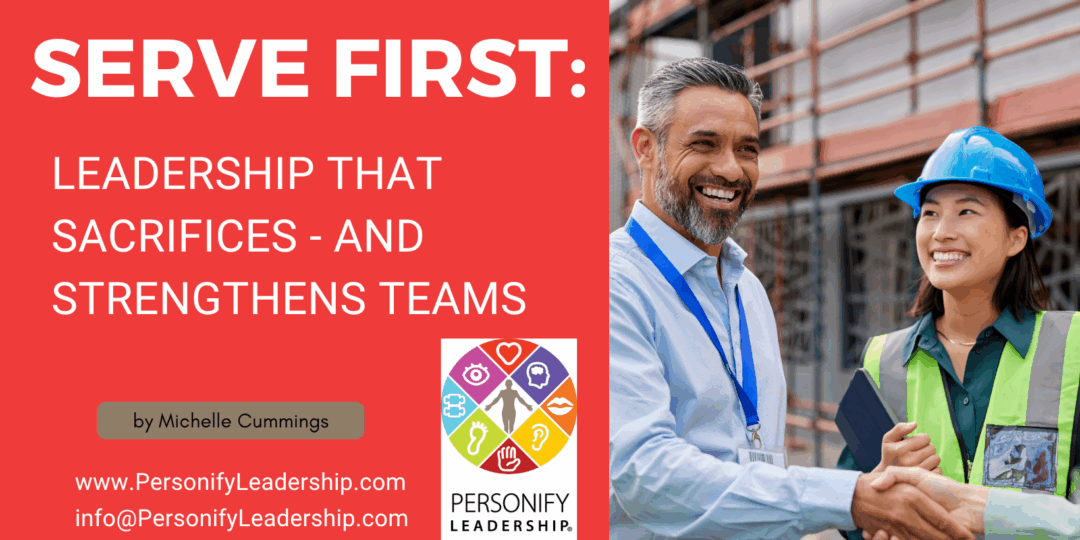
True leadership is revealed not in ease, but in moments of pressure – especially when a choice must be made between personal comfort and collective good. Taking actions that serve others, even when it requires personal sacrifice, is one of the most powerful ways leaders build lasting influence and trust. It sends a message that others matter, not just in theory but in practice.
When leaders consistently put the needs of their team ahead of their own, something shifts. Teams notice. They begin to internalize the message that the leader’s priority isn’t ego – it’s impact. That shift creates safety, loyalty, and motivation. People start leaning in, taking more initiative, and collaborating more authentically because they know their efforts are supported, not exploited.
(more…)Tough conversations are part of leadership, but their outcome often depends on what happens before you sit down to talk. Walking into a sensitive discussion without preparation can lead to unclear messages, heightened emotions, and missed opportunities for resolution. Taking time to plan both what you want to say and how you want to say it can make all the difference.
Preparation starts with clarifying your purpose. Ask yourself, “What is the main point I need to communicate?” and “What outcome do I want from this conversation?” Having these answers in mind keeps you focused and prevents the discussion from drifting into unrelated issues.
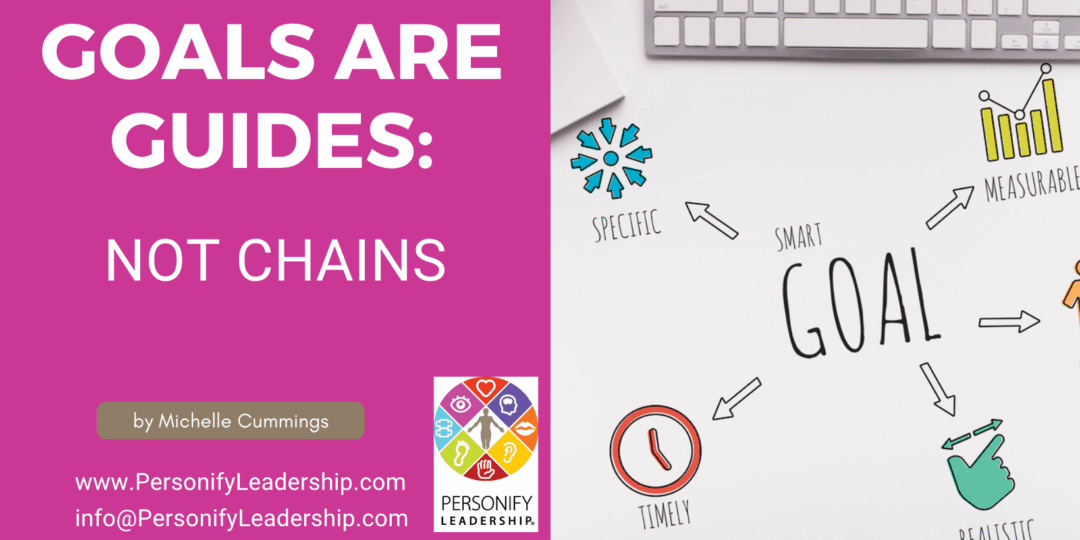
(more…)Setting goals is an essential leadership skill, but reaching them is rarely a straight path. Priorities shift, feedback reveals blind spots, and progress may unfold differently than expected. Leaders who treat goals as living guides rather than rigid commitments can adapt and keep their teams on track.
Reviewing goals regularly allows you to catch misalignment before it becomes a problem. A goal that made sense six months ago may no longer serve the organization’s needs today. Without check-ins, teams risk pouring time and resources into work that no longer matters most.
(more…)The Mind of a Leader and the ROI of Emotional Agility
by Paul Cummings
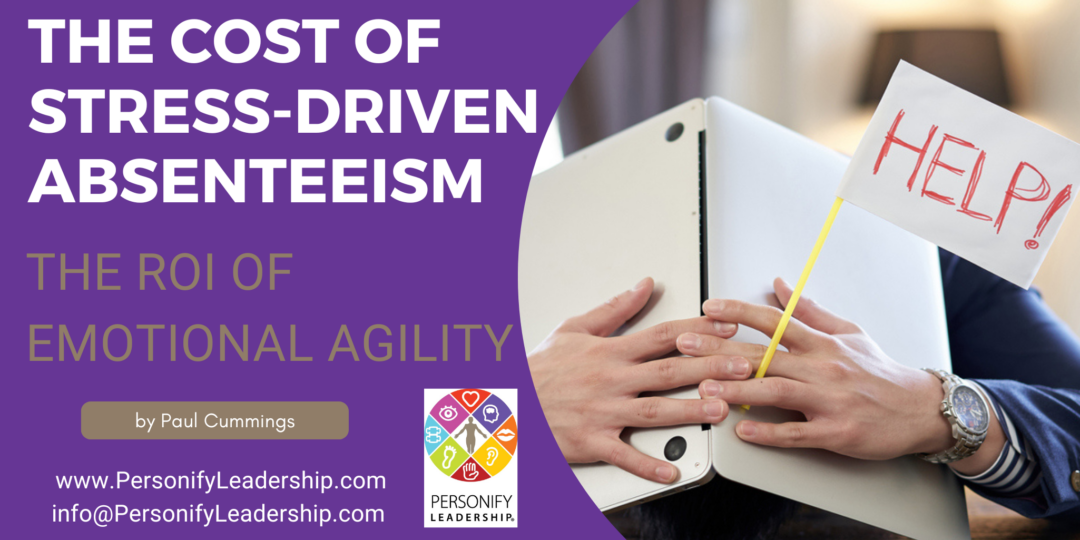
Stress is an invisible tax on performance. It drains energy, clouds decision-making, and drives people to stay home. When stress builds, absenteeism rises. That loss in time and productivity hits the bottom line in any business. But when leaders learn to manage pressure with agility, they create a work environment that is steady, responsive, and focused. The outcome is a real and measurable drop in absenteeism.
Stress is part of work. The problem is not the pressure itself, but how people respond. Leaders who stay composed under pressure, shift quickly between emotions, and guide their teams through uncertainty create cultures that can adapt. This ability to adjust and recover is what agility looks like. It keeps people grounded. It keeps people present. And it saves money.
The Cost of Stress-Driven Absenteeism
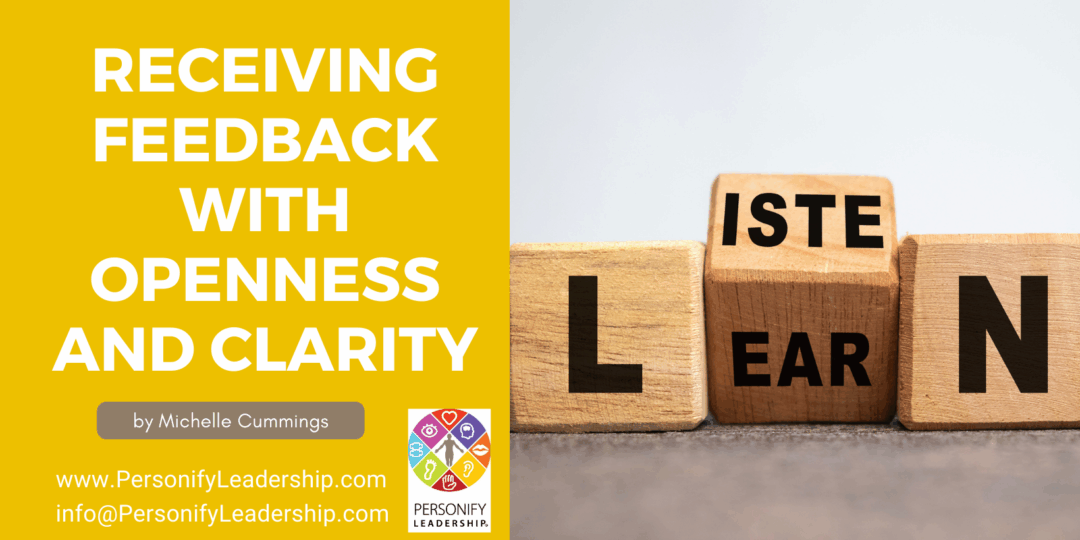
(more…)Leadership is often measured by how well someone gives feedback. Yet equally important, and sometimes overlooked, is how leaders receive feedback. The way a leader listens and responds to input sets the tone for the entire organization. When leaders approach feedback defensively, they discourage honesty. But when they are open, curious, and composed, they model the very culture of growth they hope to cultivate.
Receiving feedback well begins with mindset. Neuroscience shows that our brains are wired to perceive criticism as a threat, which can trigger defensiveness or withdrawal. The key is not to silence these natural reactions but to manage them. Leaders who enter feedback conversations with the intention to learn, rather than to protect their ego, create the space for genuine dialogue and stronger relationships.
(more…)Every role in an organization comes with unique pressures, priorities, and blind spots. Leaders at the top carry the weight of strategic vision and overall performance. Those in middle management balance the demands of senior leadership with the needs of their teams. Frontline employees handle the day-to-day work that keeps the organization moving, often without full visibility into the bigger picture.
Understanding these perspectives is critical for effective leadership. Without it, communication can break down, assumptions can build, and decisions can be made without fully considering their impact. Leaders who take time to learn the realities of different roles are better equipped to bridge gaps and align the entire organization.
(more…)By Michelle Cummings
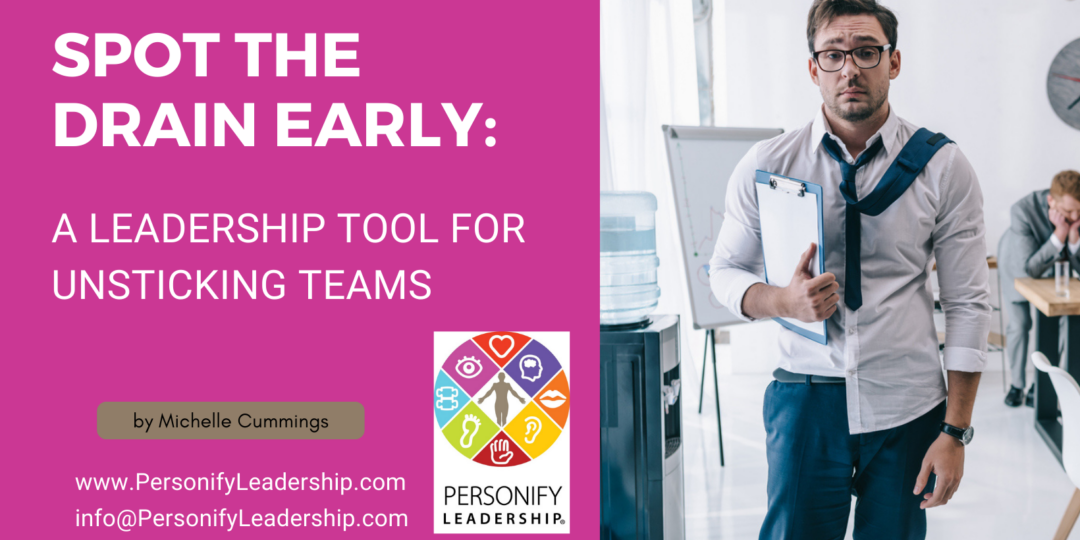
One of the biggest challenges leaders face is knowing how to move a team forward when momentum stalls. In our Eyes of a Leader module, we help leaders develop a clear, compelling vision, and just as importantly, identify what might be pulling their team off course. This is where the Drain Model, developed by Dr. Carl Larson and Frank LaFasto, becomes such a powerful leadership tool. Based on over a decade of research with thousands of teams, their model doesn’t just explain what slows teams down, it reveals why.
At the heart of the Drain Model is this idea of energy and focus. Larson and LaFasto describe three types of energy that a team needs to reach its goals: Mental, Physical, and Spiritual. Mental energy is your team’s collective knowledge and problem-solving ability. Physical energy is the stamina to do the work. But spiritual energy? That’s the one we overlook most often. It’s the emotional drive, the passion, and the shared commitment that keeps people connected to the goal, and to each other.
(more…)by Michelle Cummings
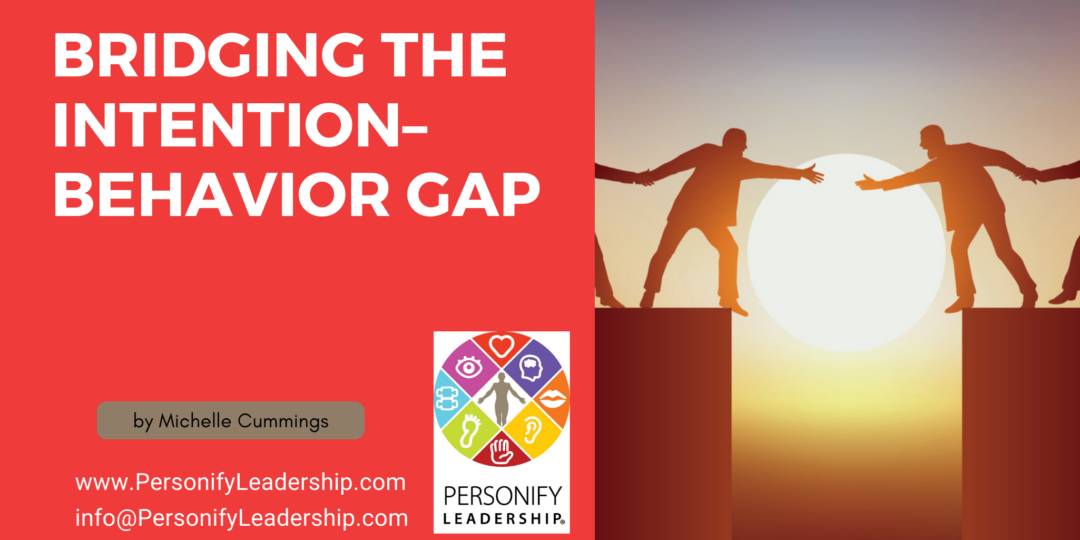
We all want to believe that good intentions make good leaders. And intention does matter, it’s where leadership begins. In our Heart of a Leader module, we focus on leading from a place of care, connection, and integrity. But intention alone doesn’t always shape the experience others have of us. That’s where the gap begins, the space between what we meant and what actually happened. That’s the intention–behavior gap, and we’ve all felt it on both sides.
Research by Rhodes, Pfaeffli Dale, and Mansell explores this very gap, showing that the strength of an intention plays a key role. Strong intentions are more likely to predict consistent behavior, and they tend to hold steady over time. But they also come with a risk: when an intention becomes too rigid, it can close us off to feedback or new perspectives. A leader may be so focused on achieving a goal that they stop noticing how their behavior is landing—or whether it still reflects their original values.
(more…)

×

At the heart of every high-performing organization is a strong leader – someone who drives the vision, creates the company culture and knows how to call the shots in a time of crisis. Wouldn’t it be great if every company had multiple leaders like that?
Stay up to date.
Join Our Newsletter for the latest Personify Leadership News.
© 2012-2025 Personify Leadership. All Rights Reserved.
Recent Comments